Deep Winter Color Palette: Every Shade + Hex
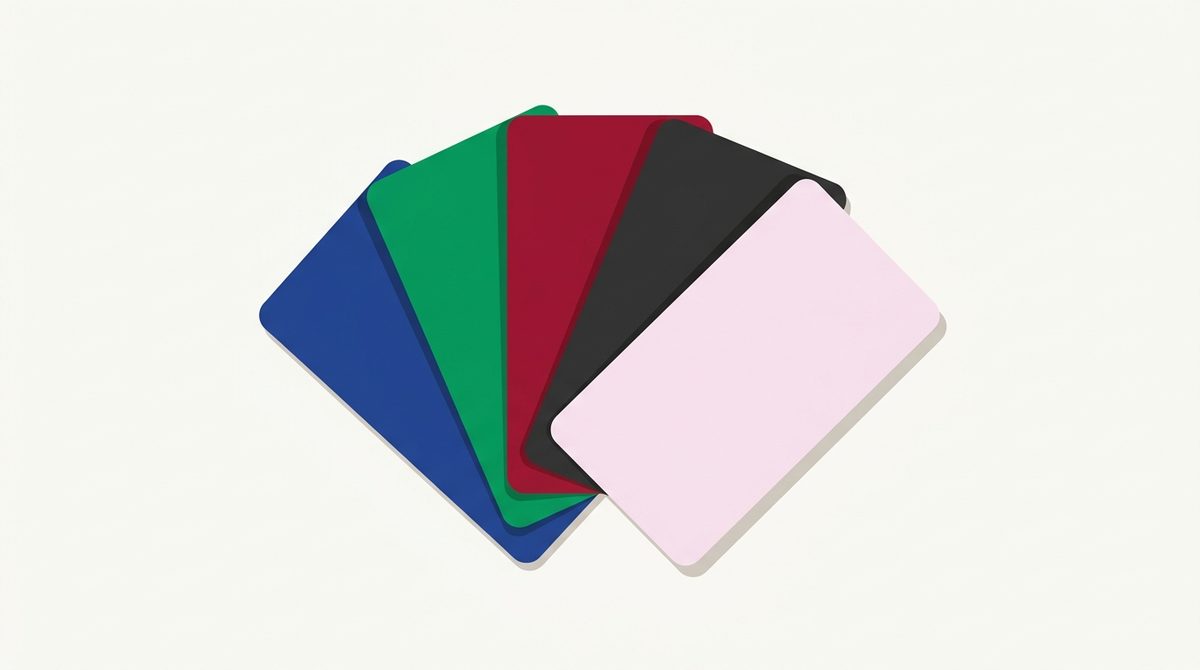
The Deep Winter palette is the coolest, darkest, and most saturated corner of the Winter family: a jewelry box at midnight, ruby and sapphire and emerald, set against true black and crisp white. Here is the full named palette with hex codes, the neutrals and metals that anchor it, and how to put it together into outfits that actually work.
What's in this guide
The Deep Winter color palette
The Deep Winter color palette is a set of highly saturated, unmistakably cool jewel tones built around true black and crisp white, with almost nothing pale, dusty, or warm allowed near the face. It is the darkest and most dramatic of the three Winter palettes, sharing its cool undertone with Cool Winter and True Winter but carrying more overall depth than either one. Every shade below is copied straight from the Tone & Fit Winter palette guide, so the names and hex codes match exactly what a professional drape or an AI color scan will hand you.
- Black Cherry#3A0E1E
- Cool Burgundy#5C1226
- Garnet#7A1230
- True Red#B01128
- Midnight Navy#0E2A4A
- Deep Teal#0C3A3E
- Deep Pine#14322B
- Emerald#10513E
- Deep Plum#4A1438
- Aubergine#35182F
- True Black#111214
- Dark Charcoal#2A2D33
- Deep Cool Grey#4C525A
- Icy Blue Accent#B7D3E6
- Icy Pink Accent#EBC9D9
Neutrals & accents
The core of the palette breaks into cool reds and pinks (black cherry, cool burgundy, garnet, true red), a cool blue and teal (midnight navy, deep teal), cool greens (deep pine, emerald), and cool purples (deep plum, aubergine). Each one reads as a jewel rather than a pastel: rich, clear, and dark enough to hold its own standing next to true black. The two icy accents, icy blue and icy pink, are the exception to the depth rule, styled in small doses to lighten a very dark outfit without introducing any warmth.
Held up near the face, what separates a Deep Winter jewel tone from almost any other season's version of the same color is how much black sits underneath the pigment. A true red with a whisper of blue reads as ruby rather than tomato, and it looks more expensive against dark hair than a brighter, cleaner red would. Emerald and deep teal do for green and blue what garnet and black cherry do for red and pink: they carry enough darkness to compete with strong hair and eye color instead of getting lost next to it. Deep plum and aubergine are usually the easiest first purchase, dark enough to double as an evening neutral and saturated enough to still read as color rather than black.
Neutrals
Deep Winter neutrals are true black, dark charcoal, and a deep cool grey, the three shades that do the grounding work every outfit needs. Deep Winter is the one season that wears jet black at full strength right next to the face without looking harsh or severe, which makes it one of the easiest palettes in the whole 12-season system to build a wardrobe around.
- True Black (#111214). The Deep Winter power neutral. Worn as a coat, trouser, or turtleneck, it reads as sharp and expensive rather than heavy.
- Dark Charcoal (#2A2D33). A softer daytime alternative to black that keeps the same cool depth without quite as much contrast.
- Deep Cool Grey (#4C525A). The lightest of the three, useful for a coat or trouser when pure black feels like too much next to your skin.
- Midnight Navy (#0E2A4A). Doubles as a neutral. It anchors an outfit the way black does, but reads a shade softer for daytime.
Crisp white is the other half of the Deep Winter neutral story, standing in for the palette's lightest value the way true black stands in for its darkest. The icy blue and icy pink swatches above are accents, not everyday neutrals: they lighten an outfit for a moment rather than anchoring one. What Deep Winter should leave alone is a warm neutral. Camel, tan, and warm brown all sit on the opposite side of the color wheel and dull a coloring that a cool black or navy would sharpen instead. That warm to cool split is also the clearest line between Deep Winter and its warm-toned neighbor: the Deep Autumn vs Deep Winter comparison covers why two seasons with the same amount of depth end up with completely different neutral wardrobes.
This holds across the full range of Deep Winter skin tones, from porcelain to deep brown, because it is the cool undertone underneath that defines the season, not how light or dark the surface skin reads. A porcelain-skinned Deep Winter and a deep-skinned Deep Winter reach for the same charcoal and the same true black. A simple way to feel the difference yourself: hold a warm chocolate brown and a true black up to your face in the same light. The chocolate will look slightly muddy and a shade too warm by comparison, while the true black looks clean and sharpens your features rather than hardening them. That one comparison usually settles which dark neutral belongs in a Deep Winter closet.
Not sure you are a Deep Winter? Find out in 60 seconds.
Free. No account. Privacy-first.
Download Tone & Fit ↗Metals and jewelry
Deep Winter jewelry works best in cool, saturated metals: silver, platinum, and white gold are the safest choices, and the season can also carry gunmetal and pewter with real presence. Any of these next to true black or a jewel-tone top looks intentional rather than accidental.
Yellow gold is the metal to be careful with. It tends to look heavy or slightly dull against Deep Winter's cool undertone, the opposite of the effect it has on a warm season. If you already own gold pieces and do not want to replace them, look for a white gold or platinum setting instead, which gives the same precious metal shine without fighting your coloring. For stones, deep, clear gems, sapphire, emerald, ruby, and amethyst, echo the palette far better than anything pastel or golden.
A quick way to check this on yourself: hold a silver item to one side of your face and a yellow gold item to the other in daylight, not indoor bulbs. Most Deep Winters see an immediate difference, silver brightens the skin while gold pulls it slightly sallow. If you genuinely cannot tell the two apart, that is itself a useful data point, since it usually means your undertone sits closer to neutral than to true cool. The same cool logic carries over into leather and denim: a black leather bag or boot is a Deep Winter staple that other seasons have to work harder to earn, and a true indigo or black denim wash sits naturally in the palette, while a faded warm brown wash fights it the same way camel does.
Colors to avoid
Deep Winter should avoid anything pale, dusty, or warm. Camel, mustard, rust, and other warm earth tones pull against the cool undertone, and soft, muted colors like dusty rose or sage read as flat rather than rich on this coloring. A pale pastel worn head to toe, as opposed to a single icy accent, washes the whole look out. When a color feels hazy or greyed down rather than clear, it is working against the palette, not with it.
How to wear it: 5 combinations
Deep Winter outfits work by pairing one dark, cool neutral with either a single jewel tone or a second dark neutral, never with anything soft or warm. Five combinations to build from:
- Jewel over midnight. An emerald or deep teal top with true black trousers and silver jewelry. The jewel tone gets all the attention while the black keeps it grounded.
- Full dark, one accent. True black paired with aubergine or deep plum, then a single icy blue accent, a scarf or a bag, to lift the whole look without adding any warmth.
- Power red. A garnet or true red blazer over dark charcoal, finished with gunmetal accessories. Sharp enough for a meeting, warm in nothing but the color's name.
- Cool tonal base. Dark charcoal and deep cool grey layered together, then one black cherry or cool burgundy piece near the face so the look does not read flat.
- Icy contrast. True black with an icy pink or icy blue top. High contrast, unmistakably cool, and the fastest way to see the palette work in a mirror.
Notice the pattern: a dark, cool neutral meets one jewel tone or one icy accent, never a soft or warm color. If you are starting from nothing, buy in this order: one true black piece you already need, a coat or a pair of trousers, then one jewel-tone knit in emerald or garnet, then dark charcoal to round out the neutral base. Everything else becomes an accent from there. A blue-red or cool berry lip finishes any of these five combinations the way the season expects: clear, cool, and a shade darker than most other seasons would reach for. If you want a repeatable system for turning this palette into a working closet instead of a pile of single pieces, our guide to building a capsule wardrobe around your color season walks through it step by step.
Is this your season?
The fastest way to know if this is your season is to check it against your own coloring rather than guessing from a swatch card. Deep Winter combines a cool undertone with dark overall coloring and a strong reaction to clear, saturated color, three things that are genuinely hard to judge accurately in a mirror. Our full breakdown of the tells that identify a Deep Winter walks through the hair, eye, skin, and vein signals in detail, and the site's color season quiz is a fast way to narrow it down before you commit to rebuilding a wardrobe around it.
If you already know you lean cool but are not sure how deep your coloring actually is, the comparison that usually settles it is Cool Winter vs Deep Winter, since the two sit right next to each other in the same family and share almost everything except overall depth. Undertone and depth are exactly the measurements color analysts use for every season, and they are also the two things most people struggle to see clearly in themselves. A professional drape or an AI color analysis app settles the question by measuring them directly instead of leaving it to a guess.
Not every strong reaction to black or silver means Deep Winter specifically. If soft, non-icy pastels flatter you just as much as icy ones do, you may actually be looking at True Winter, which shares the same coolness and clarity without quite the same depth. If jewel tones flatter you but a full black outfit feels slightly heavy rather than sharp, Cool Winter is usually the better fit. Depth is the deciding factor in all three cases: how dark your hair and eyes read compared with your skin. Run any of these checks in daylight rather than under a warm bulb, since indoor lighting can make even a genuinely cool undertone look slightly golden and throw the comparison off.
Ready to find your season?
One selfie, your 12-season result, and the palette that goes with it. Free, no sign-up.
Find your season free ↗FAQ
What colors are in the Deep Winter palette?
Deep, saturated jewel tones set against true black and crisp white. Think black cherry, garnet, true red, emerald, deep teal, midnight navy, and deep plum, plus a small number of icy pastels used only as accents. The Deep Winter palette rewards color that is both dark and clear, with almost no room for anything muted or warm.
What neutrals should a Deep Winter wear?
True black, dark charcoal, and a deep cool grey are the core Deep Winter neutrals, and Deep Winter is the one season that wears jet black at full strength near the face without looking harsh. Crisp white and midnight navy work the same way. Warm neutrals like camel, tan, and warm brown fight the cool undertone and are best left for other seasons.
What metals suit a Deep Winter?
Silver, platinum, and white gold are the strongest options, and Deep Winter can also carry gunmetal and pewter with real presence. Yellow gold tends to look heavy or slightly dull against this coloring. If you already own gold pieces, a white gold or platinum setting gives the same shine without fighting your undertone.
What colors should a Deep Winter avoid?
Pale warm pastels, dusty muted tones, and earthy warm colors like camel, mustard, and rust. These either wash out against Deep Winter's intensity or pull against the cool undertone, and even mid-tone muted colors can read as muddy on this coloring.
Can a Deep Winter wear pastels?
Only icy, cool-toned pastels, and only as accents rather than main pieces. An icy blue or icy pink works well as a scarf, bag, or cuff next to true black or a jewel tone, but a soft dusty pastel worn head to toe will leave a Deep Winter looking tired rather than bright.
How do I know if I am a Deep Winter?
Deep Winters have a cool undertone, dark overall coloring, and features that stay striking in saturated, clear color rather than looking overwhelmed by it. Dark hair, deep eyes, and a strong reaction to silver over gold are common signals. A guide to the specific Deep Winter tells, or an AI color analysis app, can confirm it by checking undertone, depth, and contrast directly.