How to Thrift Shop by Your Color Season
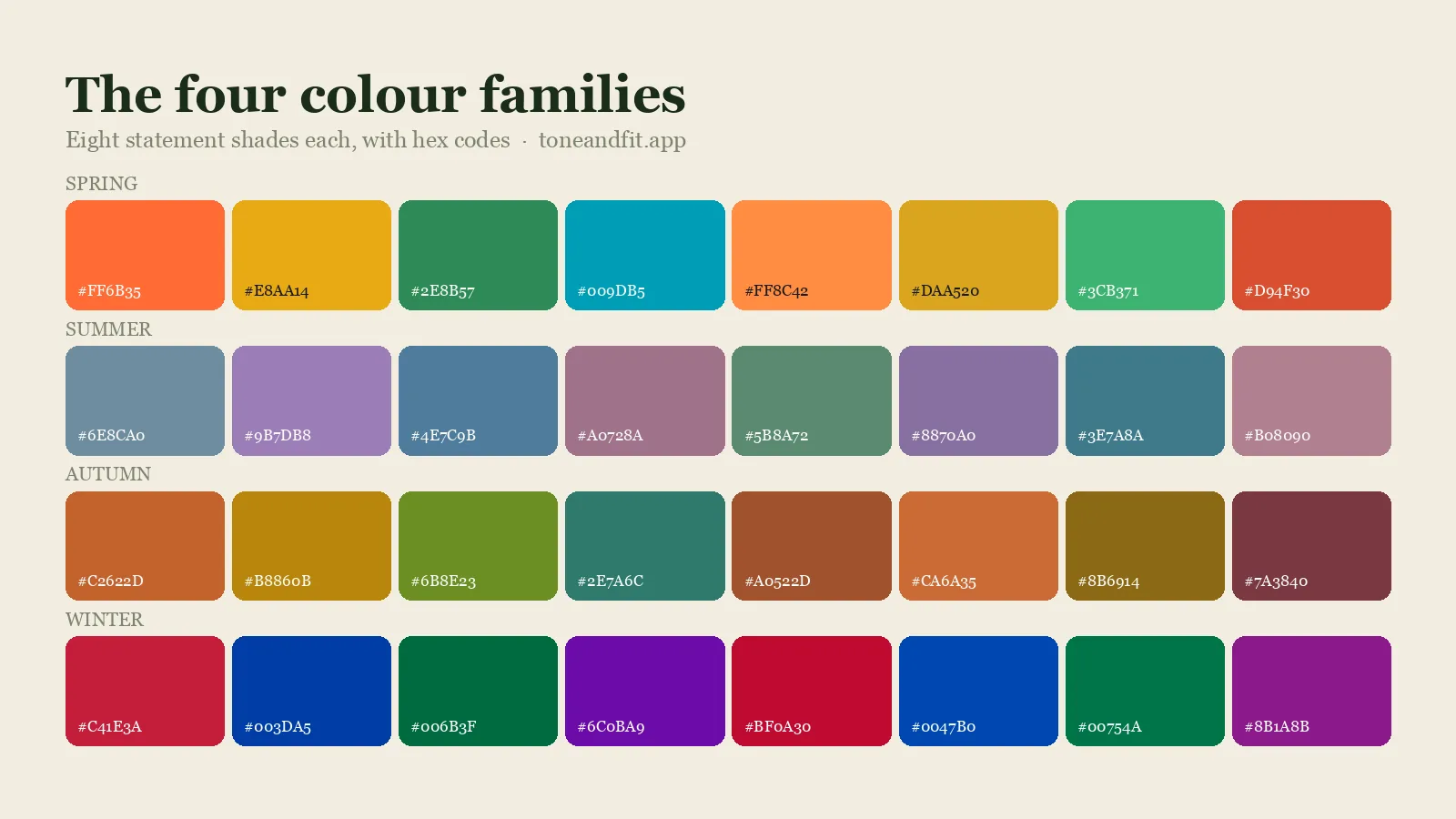
Thrifting only works if you can spot your colors fast. Learn your season, carry the palette on your phone, check color before fit and price, and always test the item against your face in daylight.
What's in this guide
- The short answer
- Why color matters when you thrift
- Step 1: Do your homework
- Step 2: Learn your neutrals
- Step 3: Scan by color first
- Step 4: Test in daylight
- Step 5: Faded and older clothes
- Step 6: What to buy and skip
- Step 7: Prints and patterns
- Step 8: Thrifting online
- Step 9: Care for your finds
- Common mistakes
- FAQ
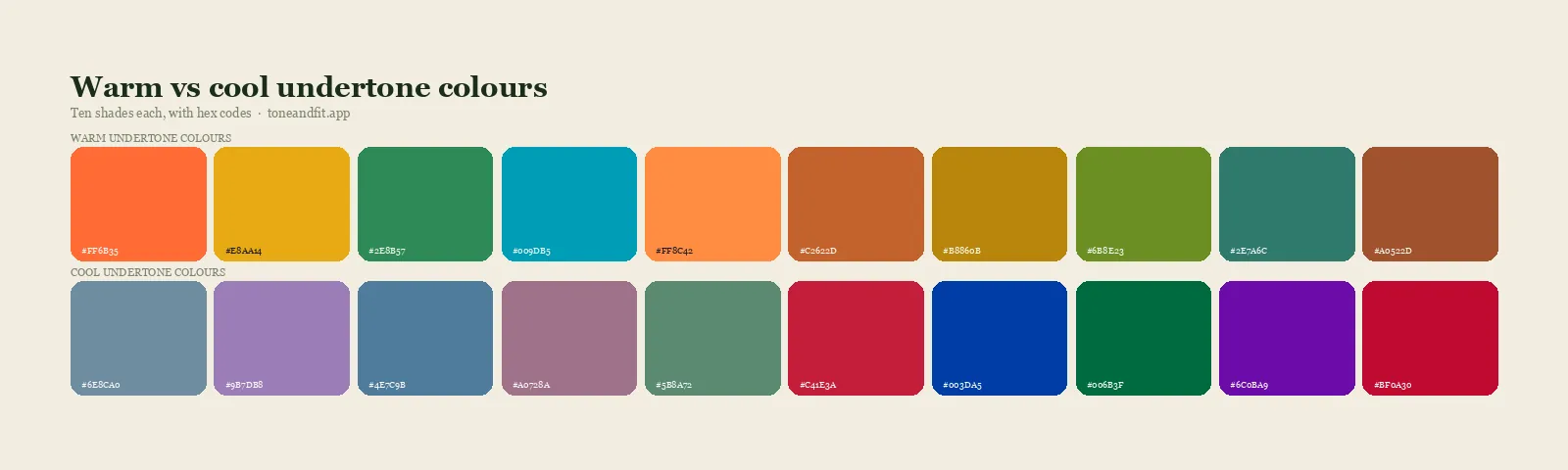
The short answer: know your season, carry a swatch and judge color in daylight
To thrift shop by your color season, work out your undertone and season first, save your palette on your phone, and then judge every piece by its color against your face in natural light before you look at the brand, size or price. Skip anything that fails the color check, because a perfect fit in the wrong shade will stay in your closet. That one habit turns a rack of thousands of items into a short list you can actually review.
Secondhand shopping is the best place to practice color-based buying because mistakes are cheap, and it is the hardest place to do it because the racks are sorted by size and type, not by color or season. This guide gives you a step-by-step method. If you do not know your season yet, start with our guide to finding your color season, then come back here with your result.
Why color matters even more when you thrift
New stores usually style their racks by season and trend, so the colors in front of you are loosely curated. A thrift store is the opposite: every color from every decade sits on the same rack. That is a benefit if you know what you are looking for, because the range is wider than any single retailer. It is a trap if you do not, because it is easy to buy something because it is cheap and then discover at home that it makes your skin look dull.
The other difference is that you cannot order a different shade. At a regular store, if a cardigan comes in six colors you can pick the one that suits you. At a thrift store, there is one cardigan and it is the color it is. So your decision is yes or no, and the only tool you have to make that decision is your own knowledge of what works. If you want the framework behind it, seasonal color analysis explained covers how undertone, depth and intensity combine into the twelve seasons, and the 12 color seasons guide lists them side by side.
Step 1: Do your homework before you go
Find your undertone and season
You need two pieces of information: whether your undertone is warm, cool or neutral, and which of the twelve seasons you fit. If you have not tested your undertone, use the four at-home undertone tests or upload a daylight selfie to the free photo color analysis tool. For a deeper explanation of the whole process, the personal color analysis guide walks through it end to end.
Save your palette where you can see it
Take a screenshot of your season's palette and put it in a photo album named "Thrift." Our season palettes page shows every swatch for each season. Some people go further and make a small card with eight to ten of their best colors, plus a short list of colors to avoid. When you hold a garment up to the card in the store, you can tell in seconds whether it belongs.
Write a shopping list by gap, not by color
A list of the colors you love is not enough. A better list names the gaps in your closet: "a cardigan in a neutral that works with five tops," "a pair of trousers in a dark neutral," "a blazer for work." If you want to see how a full wardrobe is built on this idea, read capsule wardrobe by color season. Knowing your gaps keeps you from buying a beautiful color you already own five times.
Step 2: Learn your neutrals first
The most useful thrift finds are neutrals, because they are the pieces you wear most often and the ones that cost the most new: a coat, a blazer, trousers, a belt, boots. Neutrals also fool the eye more than bright colors do. A "black" coat can lean blue or brown, a "cream" can lean pink or yellow, and a "gray" can lean cool or warm. Our post on neutrals by color season sorts your best black, white, gray, brown and navy options by season, and the guide to black and your color season explains why a black item can be flattering on one person and harsh on another.
Here is a quick table of the neutrals to look for in each season family. Treat it as a starting point for the rack and confirm each item in daylight.
| Season family | Neutrals to look for | Neutrals to leave on the rack |
|---|---|---|
| Spring | Camel, warm ivory, warm taupe, soft brown | Stark black, cool gray |
| Summer | Soft gray, mushroom, rose-beige, soft navy | Orange-toned brown, harsh black |
| Autumn | Chocolate brown, olive, cream, warm khaki | Cool gray, icy white |
| Winter | Black, charcoal, navy, crisp white | Camel, beige, warm brown |
Step 3: Use a color-first scanning method in the store
A thrift store can feel overwhelming. A scanning method keeps you from touching every item and wasting an hour. Follow these steps in order:
- Scan by color, not by size. Walk past the racks and look only for colors in your palette. You will be surprised how many items you can rule out in a few seconds.
- Check the fabric next. Pull out anything that passes the color check and feel the fabric. Look for natural fibers like wool, cotton, linen and silk, or good-quality blends, and check for pilling, stains and stretched seams.
- Then check the fit. A great color in a size that cannot be tailored is a waste. Look for items that fit through the shoulders and can be altered elsewhere.
- Finally, check the price. A cheap item that does not suit you costs more than a pricey one you wear every week.
Doing the steps in this order matters because color is the one factor you cannot change. Fit, hems and buttons can be fixed, but a color that fights your skin tone will fight it forever.
Step 4: Test the color against your face in daylight
Store lighting is almost always a problem. Fluorescent tubes make cool colors look colder and warm colors look duller, and the mirrors are rarely flattering. The solution is to test every serious candidate in natural light:
- Carry the item to the front window or step outside the door with it. Most stores will let you do this if you stay near the entrance.
- Hold it under your chin with your hair pulled back and no filter on your phone. Look at your skin, not the garment.
- Ask whether your skin looks more even, your eyes look brighter and your face looks more rested, or whether the item makes shadows, redness or yellow patches more visible.
This is the same idea as the draping tests described in how to do color draping at home. If you can, take a photo of yourself with the item and check it on your phone. The camera is more honest than a store mirror, though you should read why phone cameras can misread skin tone before you trust a single photo.
Step 5: Watch for color shifts in older and faded clothes
Secondhand clothes have had a life. Washing and sun fade dyes, and they do not all fade the same way. Some common surprises:
- Black fades toward brown or gray. An old black sweater can look warm brown in daylight. That is fine for an Autumn and a problem for a Winter.
- Navy fades toward a washed blue. That suits Summers and some Springs, but may be too soft for a Winter.
- White yellows. A once-white shirt can become cream or ivory. This is good news for warm undertones and a reason to look elsewhere for cool ones. Our guide to white vs cream explains which suits which.
- Denim fades unevenly. A light wash can look more blue or more gray depending on age. See denim wash by color season before you buy a pair of jeans.
Also look at the inside of seams and pockets. The color there shows what the garment looked like before it faded, and it tells you what the color is likely to do in the next wash.
Take your palette to the thrift store
Get your undertone and season from one selfie, then save the palette to your phone. Free to try on iPhone.
Try Tone & Fit free ↗Step 6: Decide what to buy and what to skip
Not every piece deserves a place in your closet, even if the color is right. Use this checklist to make the final decision at the counter:
- Does it work near my face? Tops, scarves, jackets and dresses sit close to your face, so color matters most. Trousers, skirts and shoes sit far away, so you have more freedom.
- Can I make three outfits with it? If you cannot think of three pairings from what you already own, put it back.
- Is the condition right? Check for stains, underarm marks, holes, broken zips and a smell that does not wash out.
- Would I buy it at full price? If the answer is no, a low price is not a reason to say yes.
The colors that are fine "outside" your palette
If a piece is a color that is not in your palette but you love it, you can still wear it, as long as it is worn away from your face. Trousers, skirts, shoes and bags are good homes for these colors. A buffer layer or an accessory in a flattering color can also help, as we explain in how to wear colors outside your palette. A strict rule is not needed. A flexible one is more useful and more fun.
Step 7: Read prints, patterns and mixed colors properly
Prints are the hardest category in secondhand shopping because they blend several colors, and the dominant one near your face is the one that counts. Look at the overall impression from about two meters away: if the print reads warm or cool, it follows the same rules as a solid. Check the background color, because that is what sits next to your skin. A floral with a cream background and warm flowers suits warm undertones, while the same floral on a white background with cool pink flowers suits cool ones.
For plaids, stripes and checks, look at the lines as well as the base. A plaid with a camel base and rust lines belongs to Autumn and Spring, while one with a gray base and navy lines belongs to Summer and Winter. If you want to combine prints and solids, our guide to color combinations by season shows pairings that agree with each palette.
Step 8: Thrifting online without seeing the color in person
Online resale apps are convenient, but screens change color, and photos are often taken under harsh light or with filters. Use these rules to avoid expensive returns:
- Ask the seller for a photo in natural daylight, near a window, with nothing else in the frame.
- Look for the color name in the listing, and compare it with the photo. If they do not match, assume the photo is wrong, not the description.
- Read the reviews or comments for words like "runs dark," "more yellow in person" or "more pink than shown."
- Prefer sellers with return options for any piece you cannot test in person.
The same idea applies to new clothes bought online, which we cover in how to shop online by color season. If you want the general system for shopping your palette in any setting, how to shop your color palette is the best companion to this guide.
Step 9: Refresh and care for the pieces you bring home
A good thrift haul needs a little care before it joins your closet. Wash or dry-clean each item according to its label. Test a hidden spot first if the color looks unstable, because older dyes can bleed. Fix small problems such as loose buttons and hems right away, so the pieces are ready to wear. If a garment is perfect except for the color, consider dyeing it, but remember that dye cannot lighten a color, and the result will be influenced by the original shade.
When you get home, lay your new items next to your season palette and see how they fit with what you already own. If a piece does not work with at least three others, that is a signal to return or resell it while it is still in good condition. A season-by-season audit of your closet, using the same checks, is described in the new year wardrobe color reset.
Common thrift shopping mistakes to avoid
- Buying by brand instead of color. A well-known label in the wrong shade is still the wrong shade.
- Trusting store mirrors and lighting. Always test the color in daylight.
- Buying "just in case." If it is not right now, it is not likely to be right later.
- Ignoring undertone because the color name is familiar. "Blue," "green" and "pink" each come in warm and cool versions, and only one version will suit you.
- Forgetting your own coloring changes. Tans, hair color and weight changes can make a color look different. See how lighting changes your color season if a favorite piece suddenly looks wrong.
Where to go next
Thrift shopping by color is a skill that gets faster every time. Start with a short shopping list, bring your palette and test everything in daylight. If you want more ideas for putting the finds together, the capsule wardrobe guide shows how a small set of pieces becomes dozens of outfits. If you would like a second opinion on your season before you go, the free photo tool takes about a minute.
Shop secondhand with your colors in your pocket
Find your season, save your palette and judge every rack in seconds. Free, no sign-up.
Find your season free ↗FAQ
How do I thrift shop for my color season?
Find your undertone and season first, save your palette on your phone, scan the racks for colors in that palette, and then check fabric, fit and price. Always test the color against your face in natural daylight before you buy.
Why does a thrifted item look different at home than in the store?
Store lighting is usually fluorescent, which changes how colors look, and store mirrors are often unflattering. Test items near a window or outside the door, and take a photo in daylight if you can.
Can I wear a thrifted color that is not in my palette?
Yes. Wear it away from your face, in trousers, skirts, shoes or bags, or add a buffer layer or accessory in a flattering color near your face. A palette is a guide to what suits you, not a rule you must obey.
What should I buy first when thrifting by color season?
Start with neutrals and outerwear in your season: a coat, a blazer, trousers or a belt. These pieces are expensive new, you wear them often, and a neutral that suits your undertone goes with most of your closet.
How do I tell a warm color from a cool one at a thrift store?
Hold the item next to a known warm color and a known cool color from your palette, or against your face in daylight. Warm shades look golden, yellow or orange-based, while cool shades look blue, pink or violet-based. If you still cannot tell, ask whether the color makes your skin look more even or more sallow.
Does fading change which season a piece suits?
It can. Black can fade toward brown or gray, white can yellow and navy can wash out to a softer blue. Judge the color as it is today, and check the inside of seams to see what the original shade was.
Is it worth buying clothes online from resale apps if I follow my color season?
It can be, but screens and photos change color. Ask sellers for daylight photos, compare the listing's color name with the picture, read comments about color accuracy and choose sellers who accept returns.